Chiaroscuro (2024)
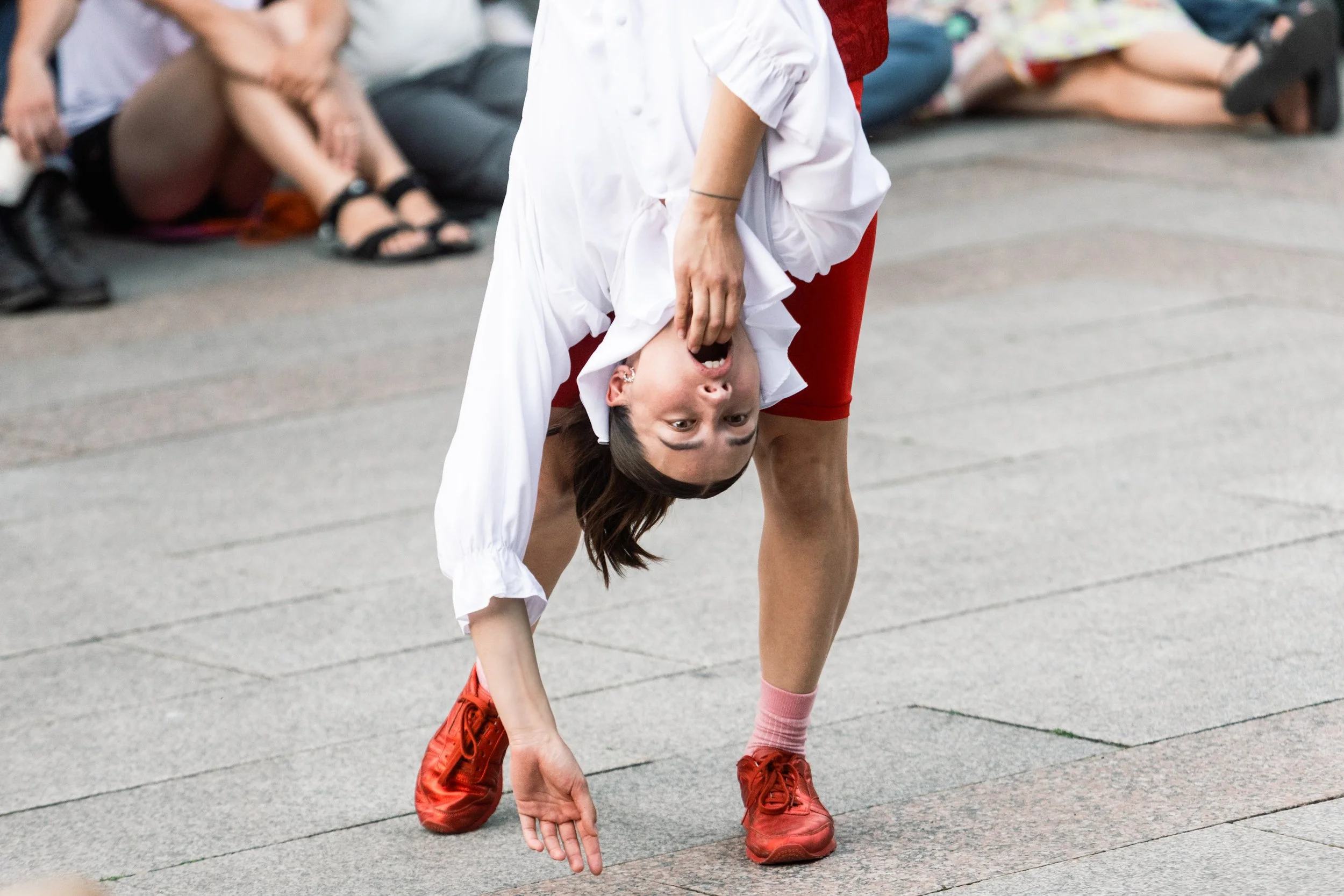
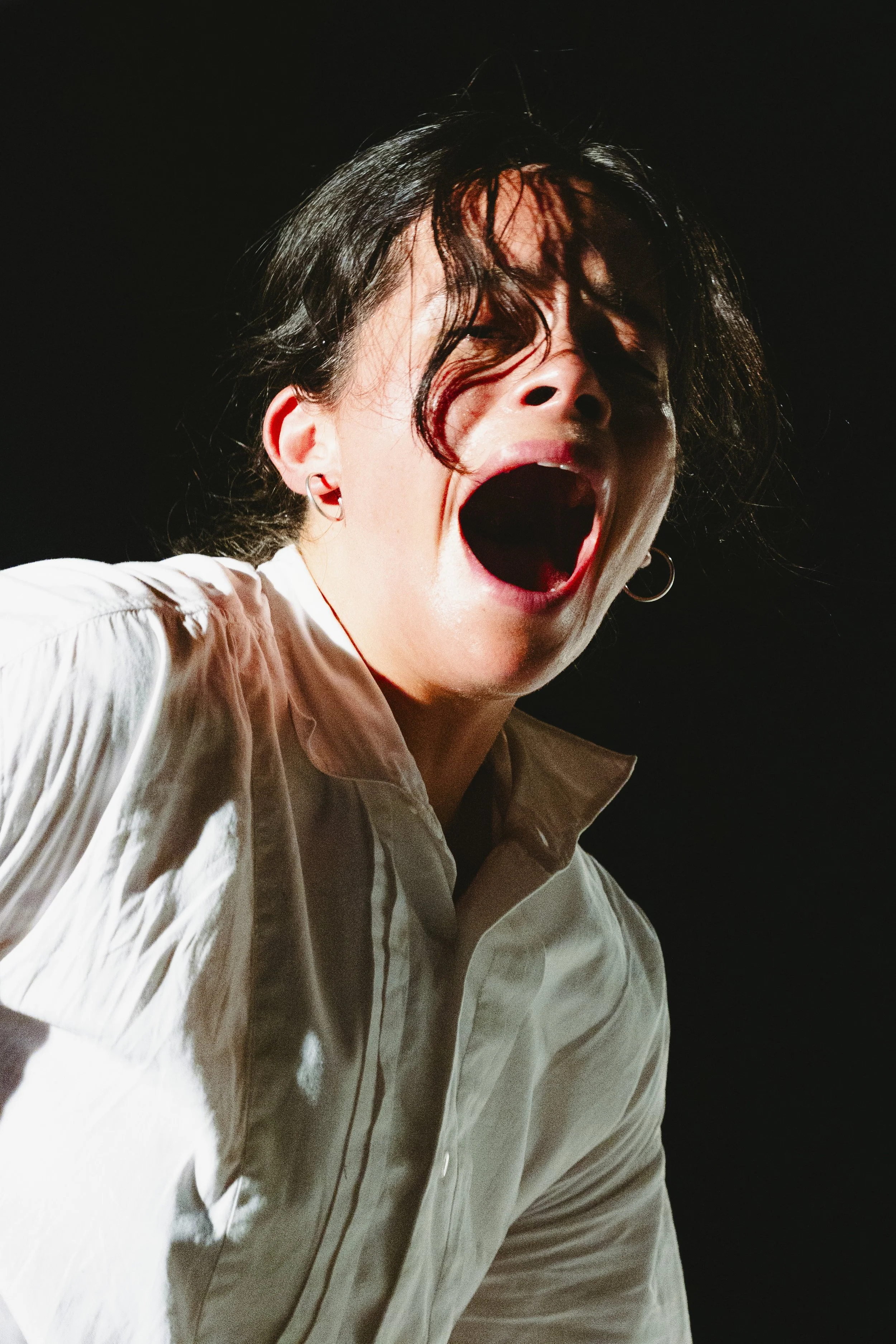
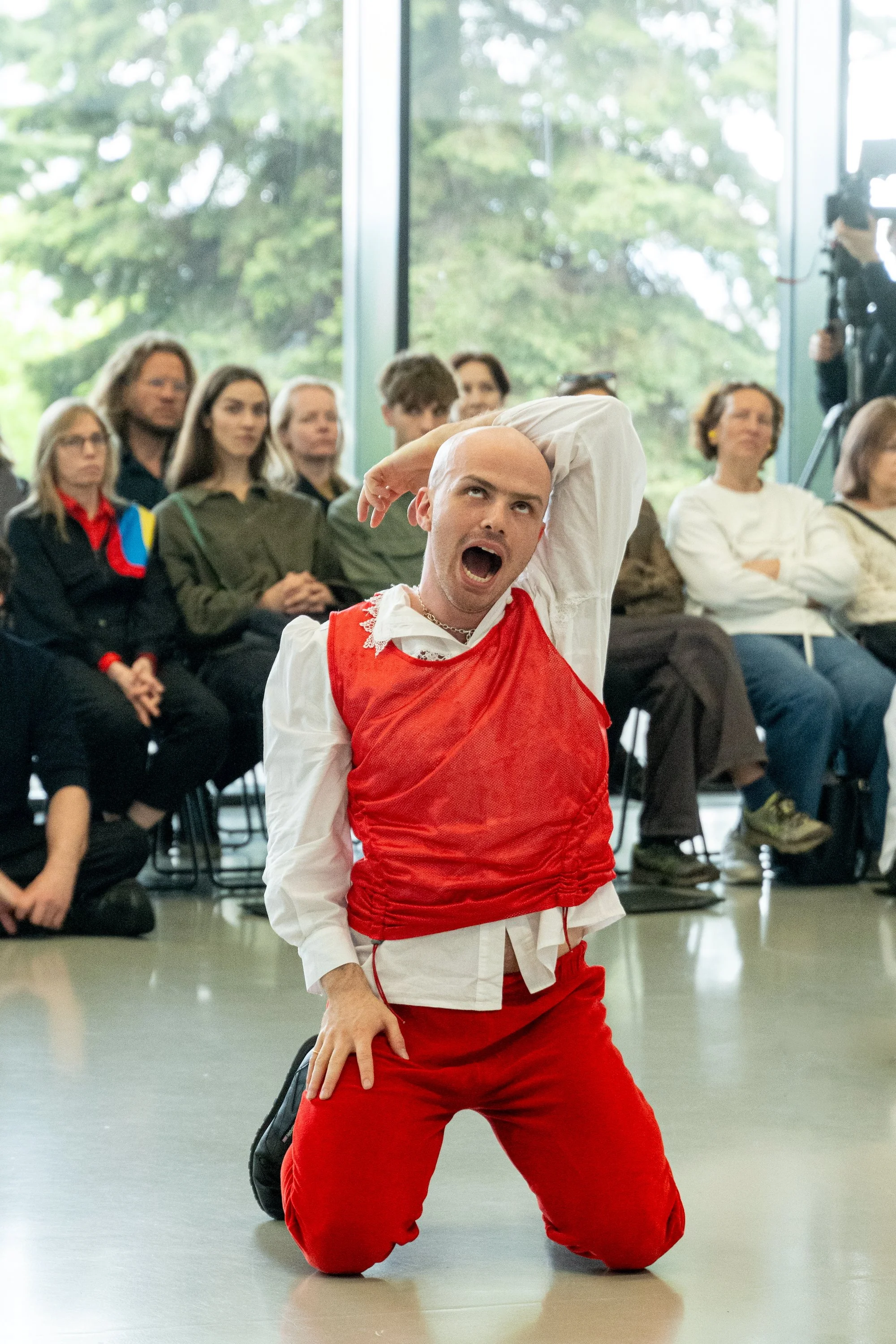
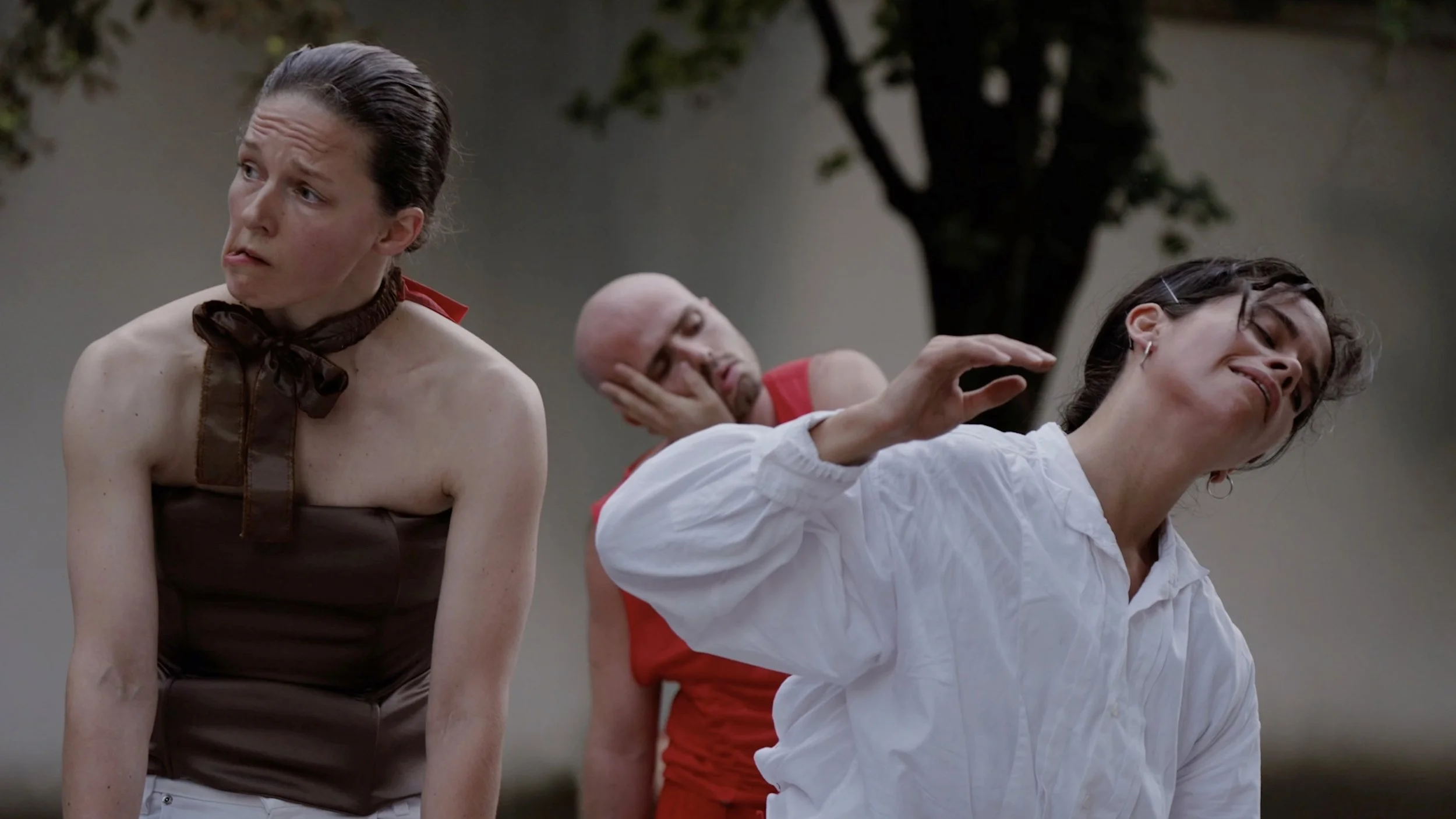
Performance Chiaroscuro is part of an ongoing artistic research by Liza Baliasnaja, exploring how emotions like fear and disgust shape political subjectivity in times of social polarization. The frightened body and its grotesque expressions are the focus of the work. By amplifying fear’s somatic manifestations, the performance leans into the emotional exaggeration characteristic to baroque period paintings. The title refers to the baroque technique chiaroscuro, defined by the strong contrast between light and darkness.

When does care turn into violence, protection into domination, or victimhood into aggression? Chiaroscuro plays with the structural elements of populist discourse by embodying the social archetypes of the victimized sheep, the perpetrator wolf, and the protector sheepdog. It examines the power dynamics between these archetypes, unmasking their fluidity and interdependence.

Fear is difficult to contain. It travels quickly from one body to another, eventually consuming the social body as a whole. For that to happen, we don’t always need a tangible threat. Fear uproots us from the present, allowing fantasy to take over. But can fear be mistaken for discomfort in the face of someone different from myself? Chiaroscuro delves into the political significance of staying in the liminal space between entering and exiting, being scared and being dangerous, doing and being done to.
Concept and choreography: Liza Baliasnaja
In collaboration with: Gabrielė Bagdonaitė, Amanda Barrio Charmelo, Sidney Barnes, Dominyka Markevičiūtė, Lina Puodžiukaitė
Performance: Gabrielė Bagdonaitė, Liza Baliasnaja, Amanda Barrio Charmelo, Sidney Barnes, Dominyka Markevičiūtė
Text: Liza Baliasnaja and Sidney Barnes
Sound composition: Dominykas Digimas
Dramaturgical advice: Rūta Junevičiūtė
Costumes: Laura Stellacci
Performance coach: Grėtė Šmitaitė
Outside eye: Andrius Katinas
Production: Be Company/ Agnietė Lisičkinaitė
Residency support: Dansatelier, Kintai Arts Center, Pop-up residency at Tanzplatform Rhein-Main, Akee space for Culture, Kaunas Artist’s House